

Lower Your Grocery Bill & Keep Food Fresh Longer
August 19, 2026How to Prepare for Super El Niño
Our weather is so gorgeous in Sonoma County right now, so it’s tough to envision extreme weather this winter. Most experts say we have a better than 90% chance of a Super El Niño this year. In preparedness, the governor declared a state of emergency for California last week so counties could start getting prepared ahead of this winter.
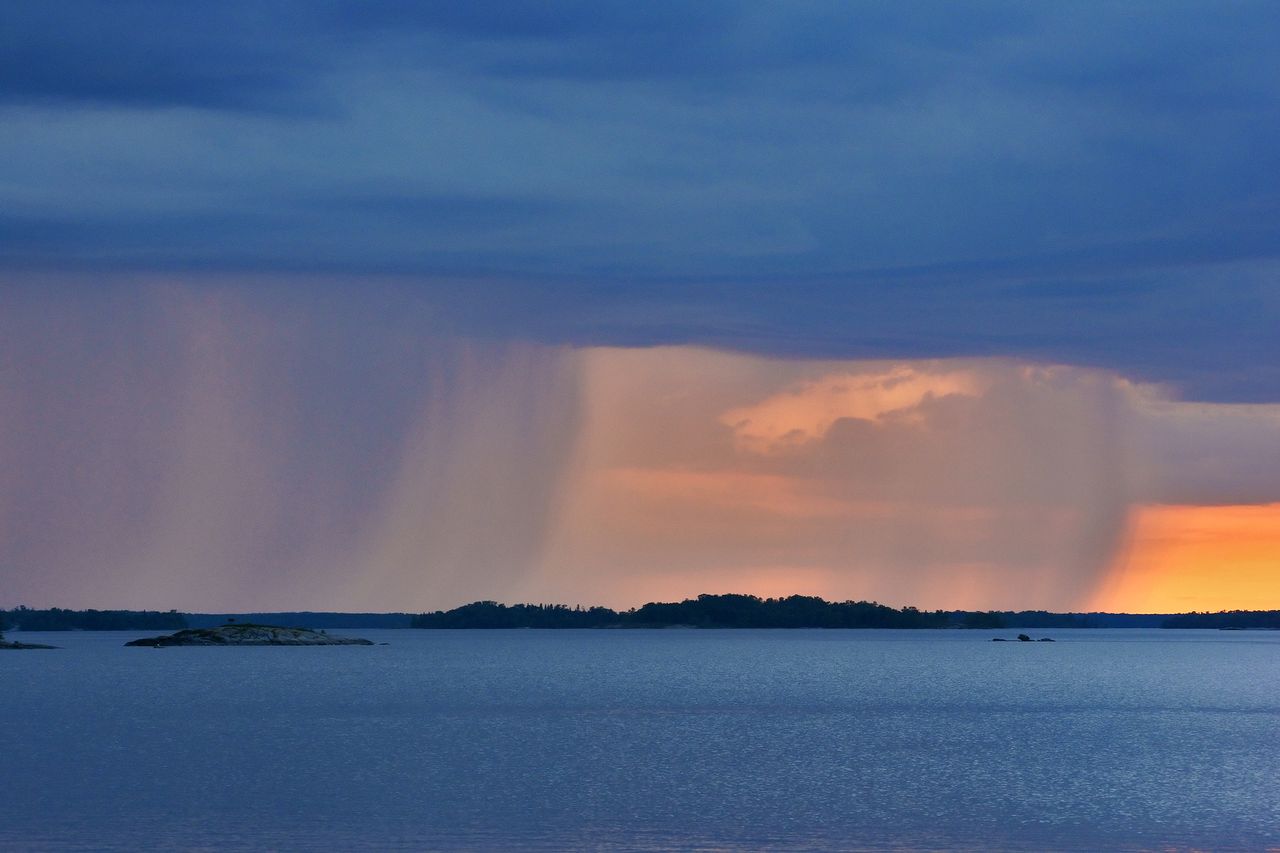
Extreme weather phenomena can upend our lives to one degree or another. Since many of us have personally experienced the havoc of extreme weather, we wanted to share some of the hard-earned knowledge we have gathered over the years to help you weather the super El Niño this winter season.
We will offer some simple and quick ideas along with long-term planning ideas we hope can help you in some small way. Many of our suggestions take into account that many times you don’t have that much notice in an emergency to leave your home or prepare for extreme situations.
The last time we had anything approaching this super El Nino was in 1982 and 1983 in Sonoma County. The local weather experts say this year will be like those years, but on steroids.
Preparation for Super El Niño
All over the internet, you can find the basics of preparing for extreme weather and the same is basically true for a super El Nino.
- Have a Plan: that covers different types of emergencies
- Know Your Options & Where to Go for Help: make your list, make copies, store one in each vehicle, plastic laminate your options list
- Stock Up on Essentials: Water, Food, Flashlights & Headlamps: headlamps are essential when you need your hands for tasks, and remember to have a manual can opener
- Water on Hand: fill up your bathtub and safe water containers
- Food: use up the food you have on hand in the refrigerator and freezer a week before if you have notice
- Prepare for Outages: make sure you have a plan for every type of emergency
- Set Up Your Communication Network: have a list on your phone and printed of essential numbers to call in an emergency and of friends and family
- Stay Informed: have a list of sources for your area so that you can stay informed of need-to-know information
- Inspect Your Roof & Clean Gutters: Be sure to inspect your roof for leaks and clean your gutters before we get into our rainy season.
Create an Emergency Packing List

Over the years, if you haven’t created an emergency packing list for fire season, this is a good opportunity to do it! I’ve learned over the years how important it is to have an emergency packing list. When an emergency or extreme weather hits is not the time to try to remember what is essential to pack. Have your list of prescriptions and supplements included on your emergency packing list. I have my packing list laminated. I also have bags before the time of year when emergencies can strike, so it’s quick to pack up and leave if necessary.
Get Your Home Prepared for Super El Niño

A super El Niño will probably bring king tides, atmospheric rivers, heavy rainfall, erosion, flooding, and mudslides. If you live close to a creek, river, or the ocean, you need to be aware of incoming storms and be prepared ahead of time. The 1982 and 1983 El Niño brought Willow Creek to flood stage, and we had 3 feet of water coursing through our backyard. Know your weak points in advance:
- You live in a low-lying area; you might be prone to flooding, so sandbags are good to have on hand.
- You have a steep hill on your property; be watchful for mudslides and erosion, especially so if your home is perched on a hillside.
- If you live near a creek or river, be mindful of when high tides occur during or after rainstorms.
- If you live near the ocean, be aware of high tides occurring during or after rainstorms. Also, keep an eye out for erosion.
Keep Your Vehicles Fueled

Because emergencies can happen any time of year, I’ve made a habit of keeping all our vehicles fueled at all times. I also invested in a siphon pump to pump gas out of vehicles. I also use it for siphoning gas out of generators and to drain generators at the end of the season and put the gas back into our vehicles. Gas stations can be tough to find in an emergency, and fuel is essential for safety.
Portable Generators or Backup Generators Are a Good Investment
If you have the funds and time, installing a backup whole-house generator with either a 100-amp or 200-amp panel is a great way to power your house when electricity is not available. The investment will pay off if you lose power often, and it adds to the value of your home. There are still credits available this year for solar generators that are tied to your electrical panel.
Standby generators are the next best thing. We invested in an inverter dual-fuel electric start generator that can power the essentials of our home. I like it because propane is easy to store and it’s simple to start. Most of the technology in our homes needs an inverter generator these days because they need a constant current. If you have an older generator, because we have two, we have anAPC battery backup between our gas generators that have been going strong for twenty years and the electronics in our home and outbuildings.
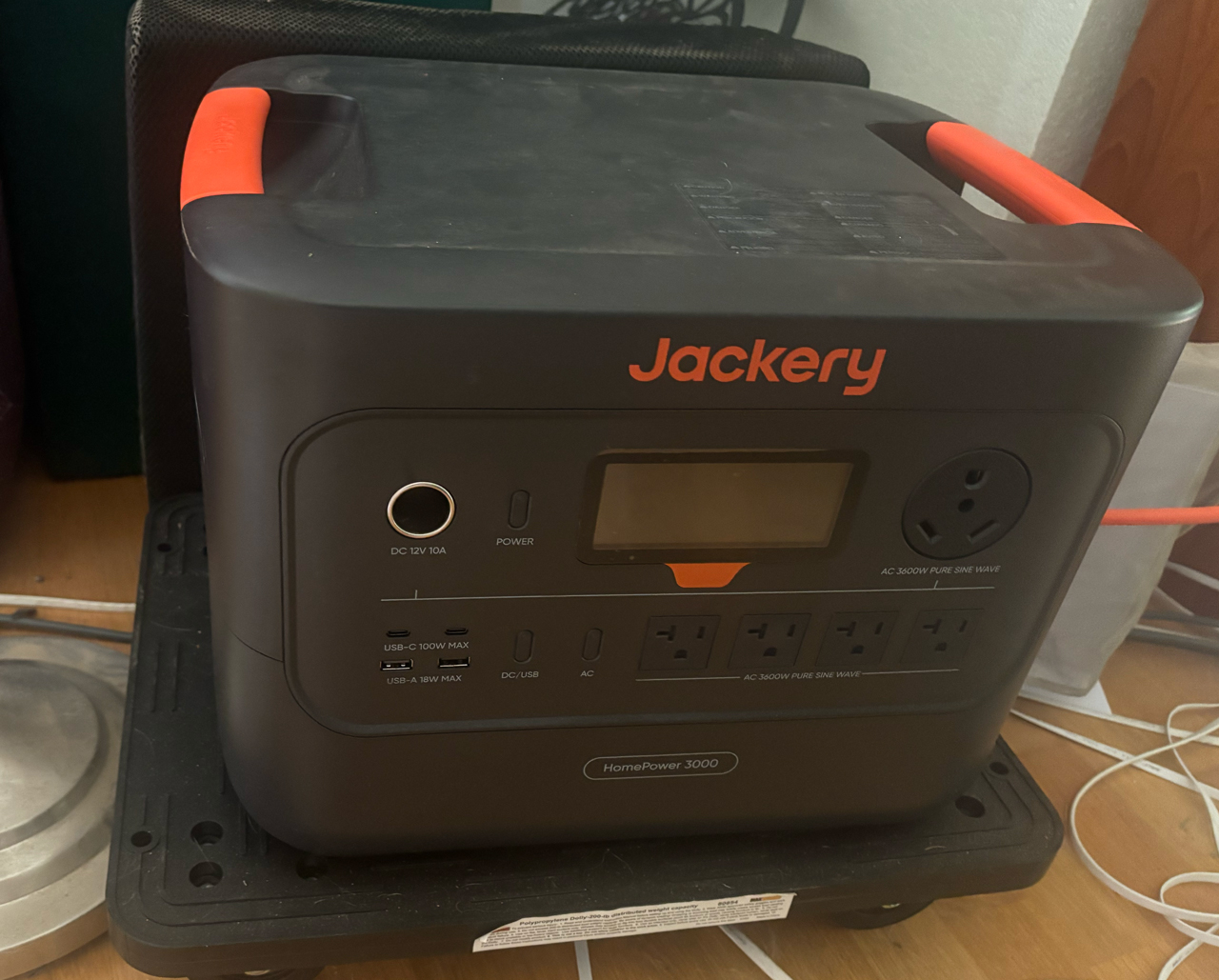
I have also invested in solar portable generators this year because our home is strung out between a few buildings, making investing in permanent solar energy pretty costly. These generators can be hooked up to an electrical socket, your car, or solar. When I hooked up the larger one to an electrical socket, it only took an hour to charge. I bought my first last year, and it powered the office and the refrigerator for 4 days and only used 55% of the battery charge. That saved a lot of money over gas or propane. I’ve also gotten tired of filling and carrying 5-gallon gas cans, plus gas has gotten so expensive that portable solar generators pay for themselves quickly.
Invest In Easy to Prepare Food

This is a tip I can’t stress enough with prolonged power outages and powering your home with a backup generator. Before winter weather and El Niño, I ensure I have food that doesn’t require refrigeration or lots of meal prep. Before El Niño, I stock up on nuts, cereal, granola, protein bars, dried fruit, canned beans, tortillas, bread, peanut butter, and premade protein smoothies. Stock up on food that is good fuel for your body and doesn’t require electricity or refrigeration.
Stock Up on Water Prior to El Niño
Remember if you live on city water and the power goes out to fill up your bathtub first to have water to flush toilets. If you live in the country and you are on a well, you only have the water that is between your well and house pipes to draw upon. Storing water for emergencies, power outages, and El Niño is wise.

The following are the recommended amounts of water to have on hand per person in your household:

 Skip to content